Kalavasos Tenta
Kalavasos Tenta is one of Cyprus' most significant Aceramic Neolithic settlements, dating back to ca. 7000–6000 BC. Situated on a small, naturally defensible hill overlooking the Vasilikos River, this ancient village offers a unique glimpse into early human life on the island.
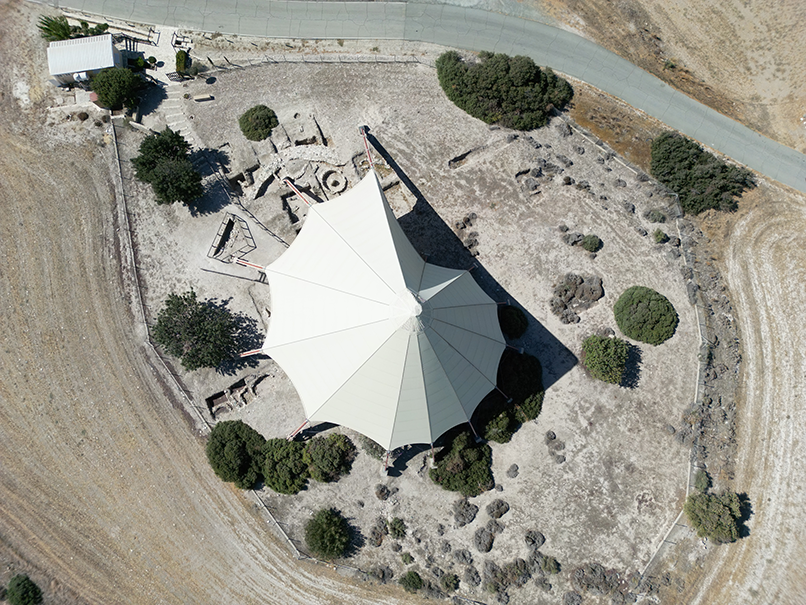
Kalavasos Tenta is one of the most important Aceramic Neolithic sites in Cyprus, dating back to around 7000–6000 BC. Perched on a strategic hill overlooking the Vasilikos River, this ancient settlement offers a rare glimpse into the lives of Cyprus's earliest inhabitants. Known for its circular architecture, rich archaeological finds, and protective domed canopy, Tenta remains a key attraction for history enthusiasts and scholars alike, providing invaluable insights into early human civilization on the island.
The settlement at Tenta represents a major milestone in early human habitation in Cyprus. Located near essential natural resources, including water from the river and fertile land for agriculture, it was an ideal site for some of the island's first farming communities. These early inhabitants built circular stone and mudbrick houses, practiced primitive forms of agriculture, and created a vibrant community that thrived for centuries. Tenta's significance lies in its role as one of the first permanent human settlements on the island, marking the transition from nomadic lifestyles to settled agricultural societies. Along with nearby sites such as Chirokitia, Tenta played a pivotal role in shaping prehistoric Cypriot culture. The presence of copper mines and other natural resources in the surrounding area contributed to the settlement's sustainability and growth over generations.
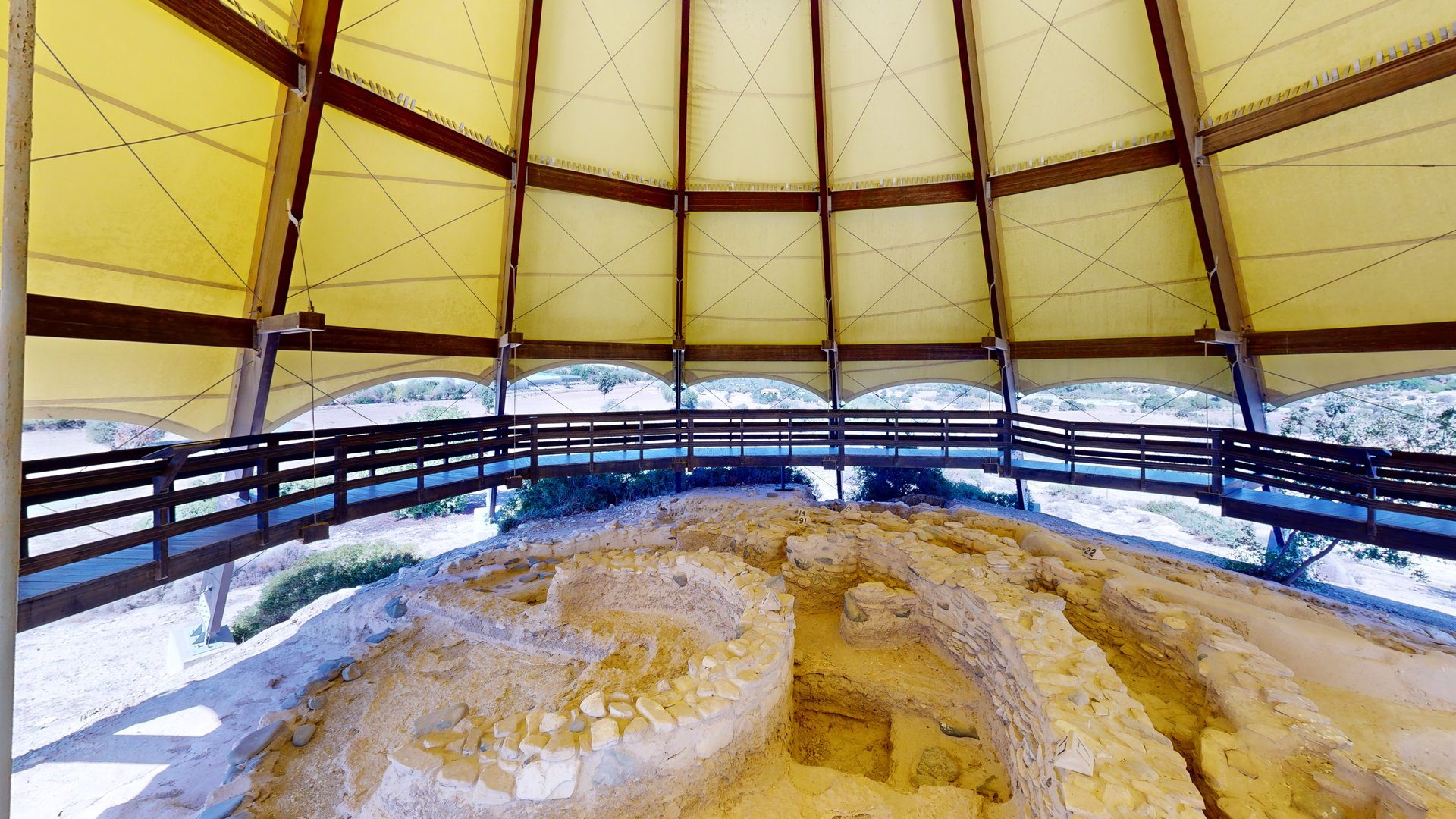
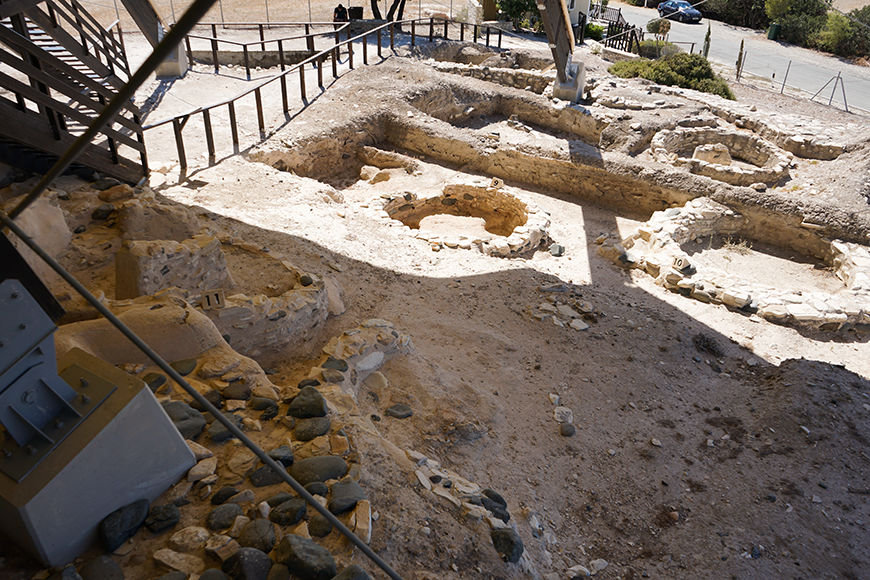
The significance of Kalavasos Tenta was first recognized in the mid-20th century when archaeological excavations revealed a wealth of ancient remains. Although initially discovered in the 1930s, systematic excavations began in 1976 under the direction of Dr. Ian Todd as part of the Vasilikos Valley Project. These excavations unearthed a wealth of artifacts, including stone tools, beads, and architectural remains, shedding light on the daily life, craftsmanship, and economy of the Neolithic inhabitants. The archaeological research revealed a well-organized village with circular homes, storage facilities, and burial sites, offering a detailed picture of life during the Aceramic Neolithic period.
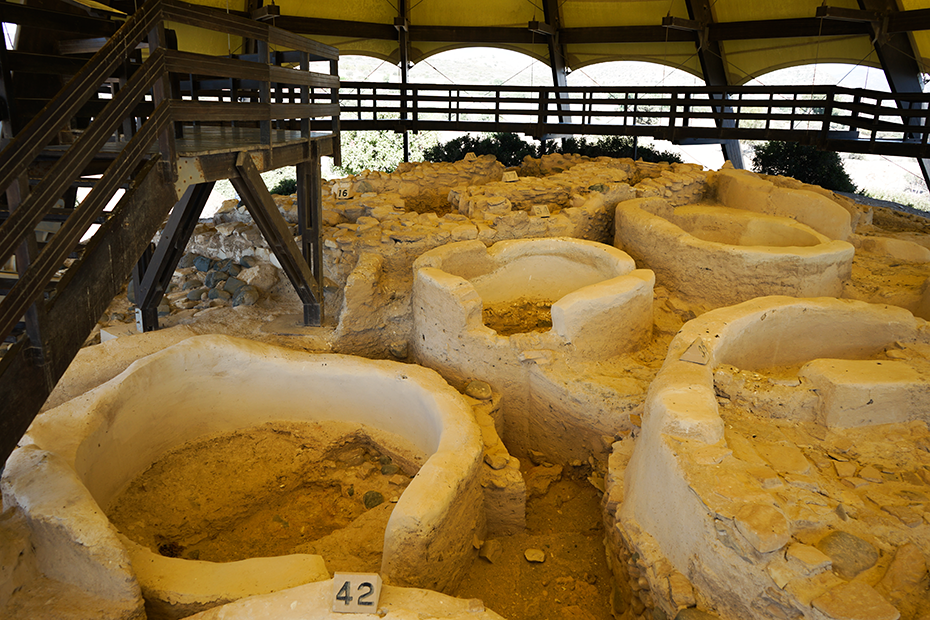
Tenta's architecture stands out as one of the most significant features of the site. The circular houses were grouped around central courtyards, and the entire village was surrounded by a stone outer wall, possibly for defensive purposes. The homes, built from local stone and mudbrick, were covered with thick plaster, with some floors coated in red ochre, likely for ritual or ceremonial purposes. The design of the village reveals a sophisticated understanding of architecture and social organization. Homes were spaced strategically, with some structures serving as storage units, while others were communal living spaces. The use of curved walls and the circular layout of the village reflect a communal lifestyle, with strong social and familial bonds.
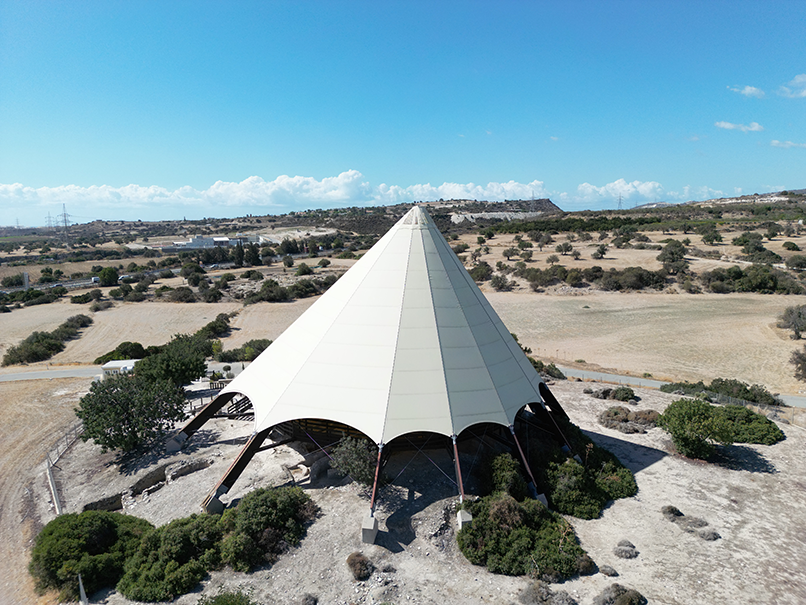
Since its discovery, Kalavasos Tenta has been the focus of intensive archaeological research. To protect the delicate ruins, a distinctive protective shelter was erected over the site, resembling a tent, which gives the site its modern name. This shelter not only preserves the ancient structures from weathering but also enhances the visitor experience by allowing exploration of the ruins in a protected environment. Conservation efforts continue as archaeologists work to preserve the site and study the artifacts and architecture in greater detail. These ongoing efforts ensure that Kalavasos Tenta remains a vital link to Cyprus's prehistoric past.
Visit Kalavasos Tenta
Visit us Monday to Friday, 08:00 - 16:00
Admission Fee: €2.50 per person
Guided Tours: Available upon request
The homes were built with stone foundations and mudbrick walls, characteristic of Neolithic architecture. Some houses featured benches and platforms, indicating a degree of social organization and comfort.
Excavations uncovered stone tools, beads, and other domestic items. These artifacts reflect the inhabitants' skills in crafting and their ability to use local materials to create tools for everyday use.
The people of Tenta buried their dead under the floors of their homes, a practice also seen at other Neolithic sites in Cyprus like Chirokitia. These burials suggest a strong connection between the living and their ancestors, underscoring the community's spiritual beliefs.
Kalavasos -Ayios Dhimitrios
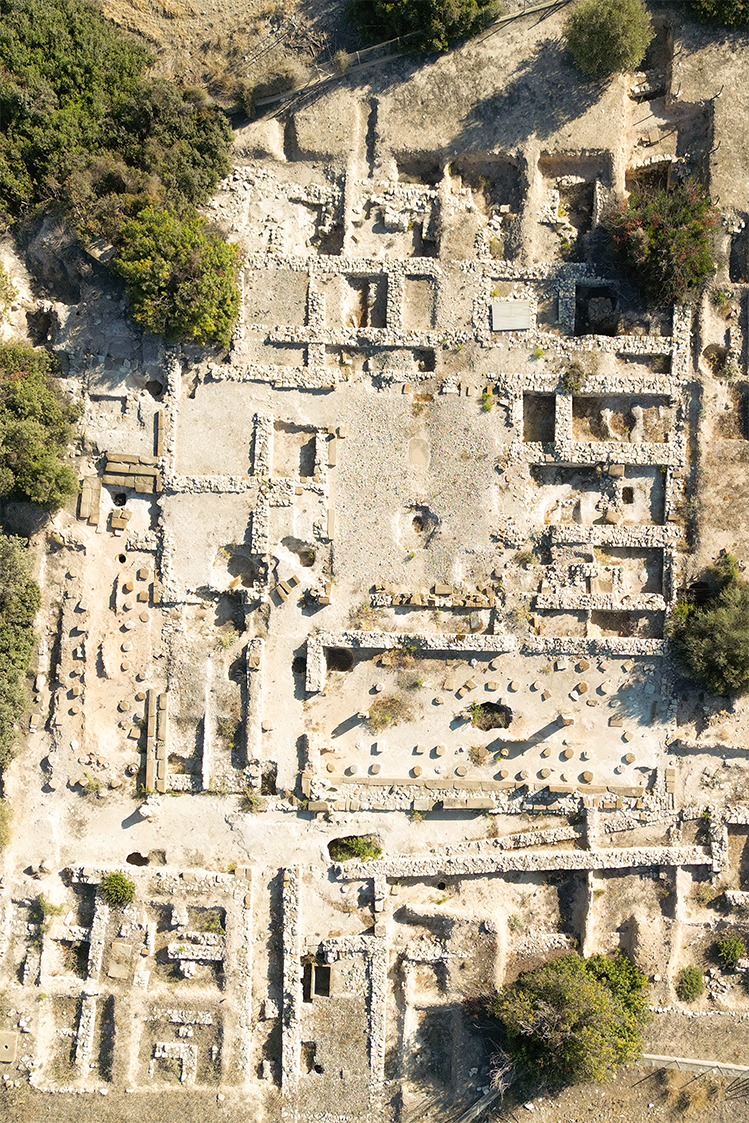
The settlement of Kalavasos-Ayios Dhimitrios, located near the southern coast of Cyprus, offers an exceptional view into the distant past. Dating from around 1500 to 1200 BCE, it was a well-organized urban center that flourished due to its strategic position near important copper sources and Mediterranean trade routes. This settlement became an economic, political, and social hub during one of Cyprus' most prosperous periods, offering critical insights into the complex society of the Late Bronze Age on the island.